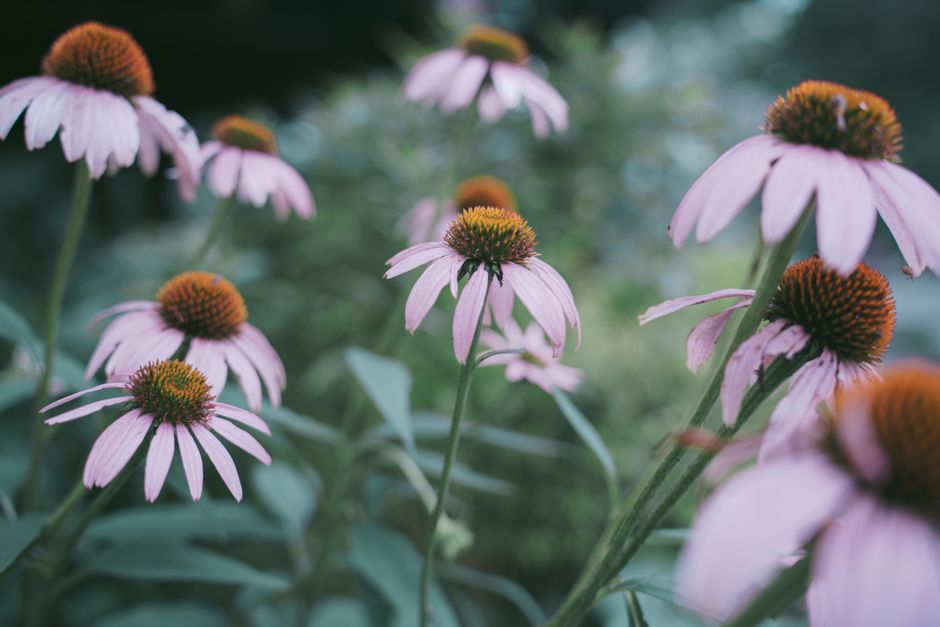
Choosing native plants for a Durham yard goes better when you pick the site before you pick the species. Before you look at a single nursery tag, you need to know where water sits after a storm, how sun moves across the yard, how compacted the soil is, and how much room a plant will actually have at maturity. That order matters, because a native plant in the wrong spot fails for the same boring reasons a non-native does: wrong moisture, wrong light, not enough root space.
This guide is for Piedmont homeowners thinking ahead to fall planting in Durham NC and wondering which native plants belong where. It treats native plant lists as research starting points rather than prescriptions, and it focuses on matching plants to conditions you can actually observe in your own yard.
Quick Takeaways
- Plant selection is a site decision first and a species decision second.
- Zone 8a describes average winter minimum temperature — it says nothing about your soil, drainage, sun, or summer survival.
- NC State Extension native plant and wildlife publications are best used as reference reading, not as guaranteed recommendations for your specific lot.
- A short pre-purchase checklist — mature size, water needs, light match, maintenance tolerance, availability, and function — prevents most impulse buys.
- Fall planting changes timing and root establishment; it does not fix a wet low spot or a compacted bed.
Why Site Conditions Come Before Species Selection
Most planting failures are mismatch problems, not plant problems. A plant described as wanting "moist, well-drained soil" will struggle in a spot where water stands for two days after rain, and a drought-tolerant plant will struggle in a bed that stays damp year-round. Both plants might be perfectly good natives. Neither one fits that particular square of ground.
This is where Zone 8a gets misused. The zone number tells you roughly how cold winters get. It does not describe summer heat and humidity, soil texture, slope, drainage, root competition, or how much afternoon sun hits a west-facing wall. Two Durham yards in the same zone can behave like completely different climates.
A practical example
Picture a front bed on the south side of a house with a downspout emptying into it. That bed is hot, reflective, and periodically soaked, then baked. A plant that wants consistent moisture and shade will fail there no matter how native it is. A homeowner who reads the site first ends up shopping for something tolerant of both heat and fluctuating moisture — or, just as reasonably, decides to redirect the downspout and widen the bed before buying anything at all.
How to Read Your Durham Yard in About 30 Minutes
You do not need lab tests to make better plant choices. You need a few observations repeated at different times.
1. Light: track it, don't guess it
- Check the bed in the morning, at midday, and in late afternoon.
- Note whether the strongest sun is morning or afternoon — afternoon sun is harder on many plants.
- Repeat the check in a different season. Deciduous shade changes dramatically between June and November.
- Remember that a young tree in the yard today will cast more shade in five years.
2. Water: find where it actually goes
- Walk the yard during and right after heavy rain.
- Flag low spots, roof runoff paths, and anywhere water lingers more than a day.
- Notice downhill flow on sloped lots and where it dumps at the bottom.
- Check gutter downspout outlets — they often create a wet zone that looks like a planting opportunity and behaves like a swamp.
3. Soil and compaction
- Piedmont clay is common, and it drains slowly while also drying hard in summer.
- Construction traffic, parked equipment, and repeated foot paths compact soil. Compacted soil sheds water instead of absorbing it.
- Dig a small test hole where you plan to plant. How hard is it to dig? Does water drain away overnight?
4. Space and root competition
- Read the mature width, not the nursery-pot width.
- Stay realistic about foundation clearance, walkway clearance, and sight lines.
- Large established tree roots compete for both water and nutrients — small plantings under them often need different expectations.
Using NC State Extension Resources as Reference, Not Prescription
Two NC State Extension resources are worth reading before you shop. The Extension Gardener Handbook chapter on native plants covers what "native" means regionally and how native plants function in designed landscapes. The publication Landscaping for Wildlife with Native Plants approaches planting from a habitat and food-web angle rather than a decorative one.
Read both, then treat them as context. A statewide or regional list cannot know that your bed sits over heavy clay next to a downspout with four hours of afternoon sun. Use the resources to understand plant function, wildlife value, and site vocabulary — then match that understanding to the conditions you measured in your own yard.
The Pre-Purchase Checklist for a Native Planting Project in Durham
Run every candidate plant through these six questions before it goes in the cart.
- Mature size. Does the full-grown width and height fit the space without annual pruning heroics?
- Water match. Does its preferred moisture match the wettest and driest weeks of that spot, not the average?
- Light match. Does it want the sun hours you actually counted, including summer?
- Seasonal interest. What does it contribute in spring, summer, fall, and winter — flowers, foliage, fruit, structure?
- Maintenance tolerance. Are you willing to cut back, divide, or manage suckers, or do you want a lower-touch plant?
- Function and availability. Is it there for pollinators, birds, screening, erosion control, or looks — and can you actually source it locally and plant it in the right season?
What Fall Planting in Durham NC Actually Changes
Fall is often a good window for establishing woody plants and perennials in the Piedmont because soil stays warm while air temperatures cool, which supports root growth. That is a timing advantage, not a magic fix. Fall planting does not correct poor drainage, and it does not exempt new plants from watering during a dry autumn.
Two practical fall considerations: nursery selection is often narrower than in spring, and plants set late may need attention through winter dry spells. If you are planning around fall, decide on site and function first, then let availability shape the final list.
Where Bed Prep and a Landscape Mulch Bed Refresh Fit In
Planting decisions and bed prep are usually the same project. A landscape mulch bed refresh in Durham is a good moment to ask whether the bed size still matches the plants, whether weed pressure needs addressing before mulch goes down, and whether soil compaction should be relieved rather than covered up.
A few questions worth asking before any mulch goes down:
- Is the intended depth appropriate, or is mulch being piled high against trunks and stems?
- Is the mulch kept off the base of plants and away from siding?
- Are existing plants being buried deeper than they were growing?
- Does the bed edge still make sense for mowing and for the plants' mature spread?
Mulch is a surface layer, not a soil replacement. If the underlying drainage or compaction problem is real, mulch will hide it for a season and then stop helping.
Frequently Asked Questions
Do native plants need less water?
Not automatically. A native plant matched to your site's moisture will usually need less supplemental water after establishment than a mismatched one. A native plant in the wrong spot can need more.
Is fall the best time to plant in Durham?
It is often a favorable window for root establishment, especially for woody plants. Spring planting also works. What matters more is site match, correct planting depth, and watering through the first establishment period.
Can I plant natives in heavy Piedmont clay?
Yes, but choose with drainage in mind and assess the whole planting area's drainage before buying. Seek site-specific advice if water remains near foundations or you would need to alter grading.
Should I buy the largest plant available?
Not necessarily. Larger stock costs more and can be harder to establish. A correctly sited smaller plant often catches up.
Do I need a plant list from a professional?
It helps, but the most valuable input is an honest site assessment. A list built on someone else's yard conditions may not transfer to yours.
Before You Buy
Choosing native plants for a Durham yard is a matching exercise. Measure light, water, soil, and space first. Read extension resources for context. Then buy plants that fit what you found, and let the list stay short and specific instead of long and aspirational.
If you would rather walk the yard with someone before deciding, Bearden Transformations LLC at beardentransformationsllc.com handles landscaping, planting, and mulch work in the area and can talk through site conditions with you. This blog is independently operated — it is not Bearden's website, and nothing here promises their availability, scheduling, or pricing.
Related reading
- Planning Fall Planting in Durham: A Zone 8a Checklist
- Landscape Mulch Bed Refresh: Questions to Ask First
Featured image: illustrative stock photography.